
The KYC re-verification window on 10cric has been extended from 12 months to 18 months. The change is published in the operator policy update and is in effect for accounts that completed their first verification after 18 May 2026. Existing accounts continue under the 12-month window until their next re-verification.
What changed
The re-verification window is the period between the end of one verification cycle and the start of the next. The window has moved from 12 months to 18 months. The verification flow itself is unchanged: PAN upload, Aadhaar verification, address proof, bank or UPI binding, live selfie match.
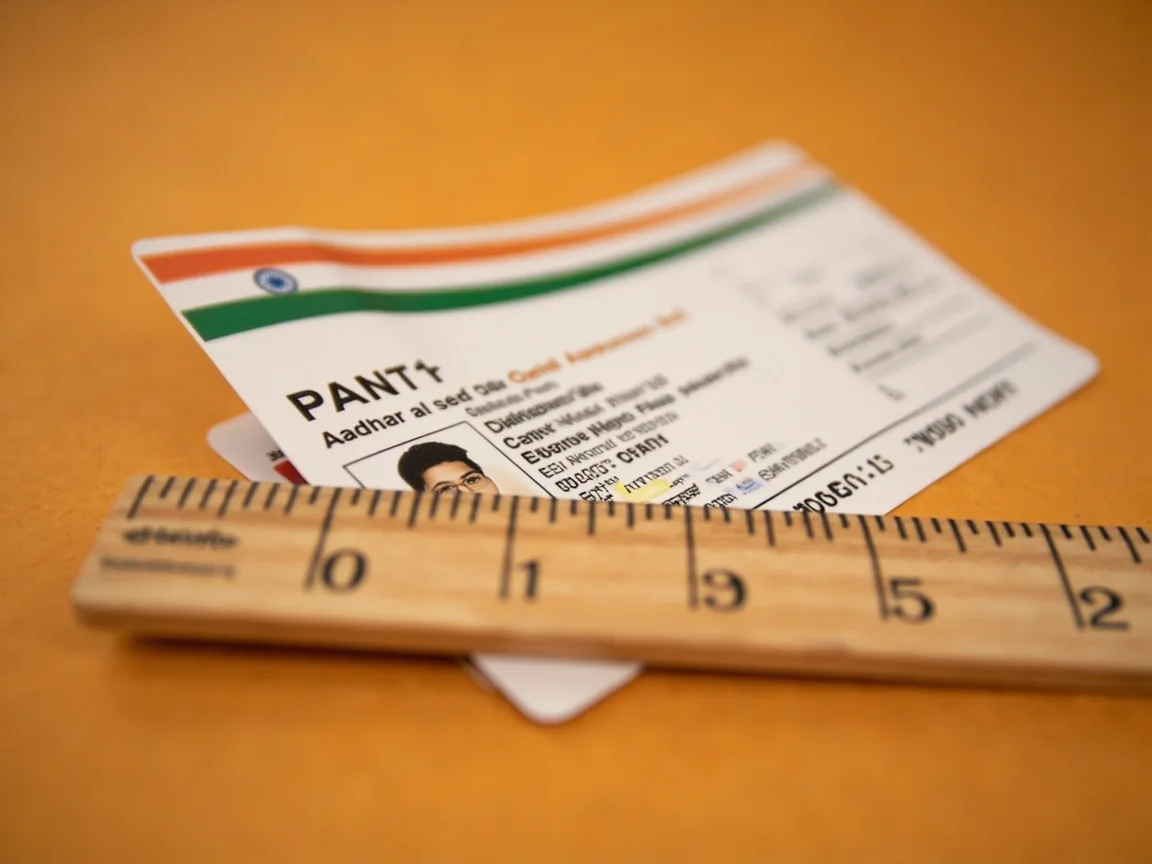
When the change applies
Accounts that complete their first verification after 18 May 2026 will follow the 18-month window. Existing accounts continue under the 12-month window until their next re-verification. The cycle resets on each successful re-verification, not on the original verification.

Why the window was extended
The operator published the extension in the policy update alongside a note that verification queue times have shortened for most document types. The longer window reduces the number of re-verifications a typical reader completes in a year without changing the verification standards.
What this means for the rejection list
Rejection causes from the verification chapter are unchanged. Cropped PAN corners, Aadhaar method mixes, name mismatches between PAN and bank account, withdrawals to a new source and low-light selfies remain the five most common rejection causes. The longer window does not change what passes verification; it changes how often re-verification is requested.

What to read next
The verification chapter walks through the five-step flow in detail. The platform review chapter scores the verification flow on representative devices.
What it means for an active reader
An active reader who completed verification in the last 12 months continues under the 12-month window until the next re-verification cycle. A reader who completes verification after 18 May 2026 starts the 18-month window. The change does not affect an in-flight verification; it affects only the cycle window after a successful verification.
A timetable for the next 18 months
The 18-month window gives readers more time between re-verifications. Use the extra time to update PAN if it has expired, refresh the address proof if the address has changed, and confirm the bank or UPI binding matches the deposit source. Re-verification is faster when the documents are already up to date.
The history of the re-verification window
The re-verification window was set at 12 months when the verification flow was first published. The May 2026 policy update extends it to 18 months. The change was published alongside a note that verification queue times have shortened for most document types; the longer window reduces the number of re-verifications a typical reader completes in a year without changing the verification standards.
What it means for an active reader
An active reader who completed verification in the last 12 months continues under the 12-month window until the next re-verification cycle. A reader who completes verification after 18 May 2026 starts the 18-month window. The change does not affect an in-flight verification; it affects only the cycle window after a successful verification.
A timetable for the next 18 months
The 18-month window gives readers more time between re-verifications. Use the extra time to update PAN if it has expired, refresh the address proof if the address has changed, and confirm the bank or UPI binding matches the deposit source. Re-verification is faster when the documents are already up to date.
A short rejection history
The five most common rejection causes are unchanged: cropped PAN corners, Aadhaar method mixes, name mismatches between PAN and bank account, withdrawals to a new source and low-light selfies. The longer window does not change what passes verification; it changes how often re-verification is requested. Each rejection cause is described in the verification chapter.
The history of the re-verification window
The re-verification window was set at 12 months when the verification flow was first published. The May 2026 policy update extends it to 18 months. The change was published alongside a note that verification queue times have shortened for most document types; the longer window reduces the number of re-verifications a typical reader completes in a year without changing the verification standards.
Why the window was extended
The operator published the extension in the policy update alongside a note that verification queue times have shortened for most document types. The longer window reduces the number of re-verifications a typical reader completes in a year without changing the verification standards. The change is a workflow change rather than a rule change; the verification flow itself is unchanged.
What the longer window confirms
The longer window confirms that re-verification is a workflow rather than a rule. The verification standards are unchanged; the cycle between re-verifications is lengthened. A reader who has been verified under the 12-month window continues under that window until the next re-verification. A reader who is verified after 18 May 2026 starts the 18-month window.
When the cycle resets
The cycle resets on each successful re-verification, not on the original verification. A reader who was first verified in March 2024 was due for re-verification in March 2025. If the March 2025 re-verification was successful, the cycle reset and the next re-verification was due in March 2026 under the 12-month window. The May 2026 policy update does not retroactively change this reader's window; the new window applies from the next successful re-verification.
The policy page
The verification policy is published on the 10cric policy page; the longer re-verification window is documented there. This entry is editorial coverage rather than a substitute for the policy page. Where this entry and the policy page differ, the policy page is the source of truth. Readers who need account-specific verification help should contact the support team rather than rely on this entry.
In summary
The KYC re-verification window has been extended from 12 months to 18 months. Accounts verified after 18 May 2026 start the 18-month window; existing accounts continue under the 12-month window until their next re-verification. The verification flow itself is unchanged. The longer window gives readers more time between re-verifications without changing the verification standards.
How we wrote this entry
This entry is based on the operator's policy update published on 18 May 2026. The entry names the new 18-month window, lists which accounts the change applies to, and points readers to the verification chapter for the rejection causes that are unchanged. The editorial desk verified the policy page against the published change before filing the entry.
What changes for you
If you have already been verified, the 18-month window applies from your next successful re-verification rather than from today. If you have not yet been verified, the 18-month window applies from your first successful verification. Either way, the verification flow itself is unchanged and the verification standards are unchanged; the cycle between re-verifications is lengthened.
Reading the policy page
The verification policy is published on the 10cric policy page; the longer re-verification window is documented there. This entry is editorial coverage rather than a substitute for the policy page. Where this entry and the policy page differ, the policy page is the source of truth. Readers who need account-specific verification help should contact the support team rather than rely on this entry.
The change is a workflow change rather than a rule change; the verification standards remain unchanged.
Verify the cycle window before any re-verification.
Frequently asked
Does the new window apply to my existing account?
No. Existing accounts continue under the 12-month window until their next re-verification.
Does the window change the verification flow?
No. The flow is unchanged: PAN upload, Aadhaar verification, address proof, bank or UPI binding, live selfie match.
Does the window affect withdrawals?
No. Withdrawals continue to require a verified account.