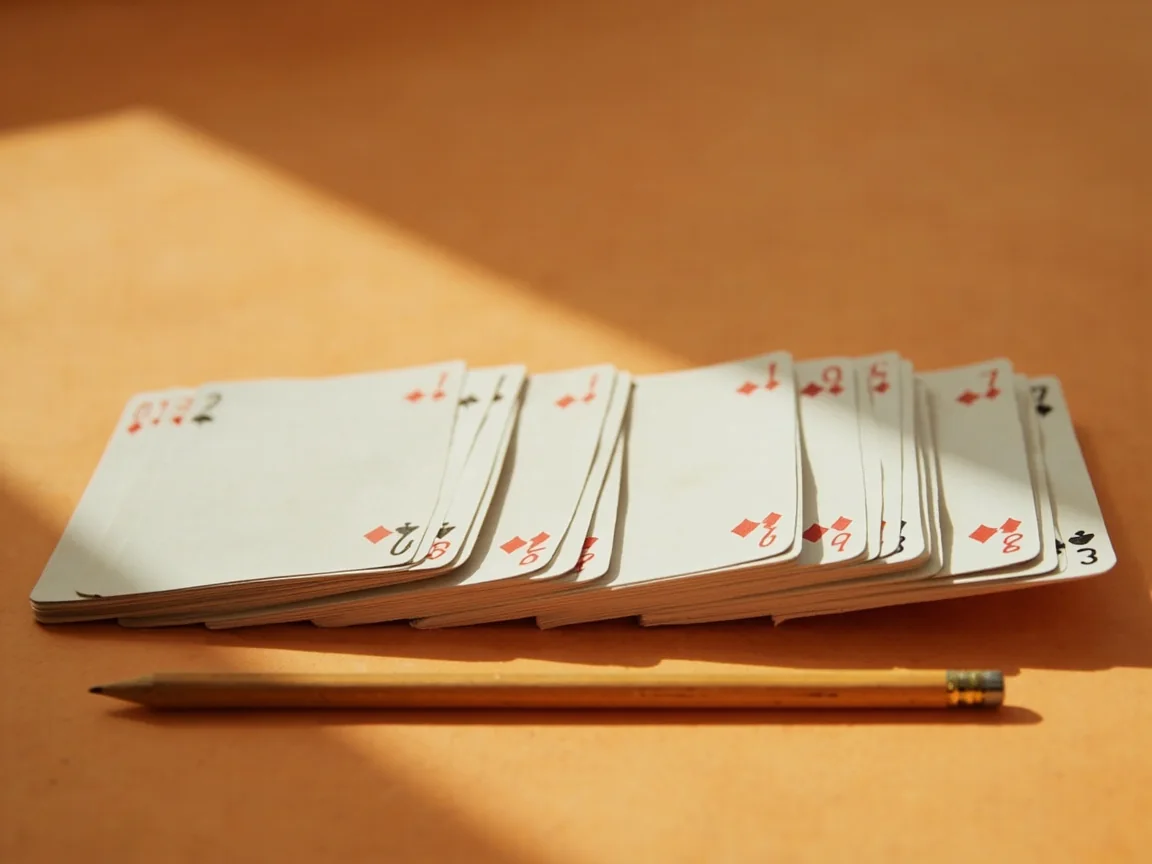
10cric rummy lobbies publish four readable formats in the standard Indian convention. Each one is a different relationship between a single hand and the total score: a hand can be worth a fixed rupee value, a hand can carry chips across a fixed number of deals, or a hand can push a player closer to a fixed elimination score. This page reads each format in plain language, then names what the lobby card adds on top.
Points rummy · one hand, one value
Points rummy is the simplest format to read. Before cards are dealt the table agrees a rupee value for one point. A round ends the moment a player declares; the rest of the table pays the value of their unmatched cards. Players who drop early pay a fixed 10 points to opponents; a mid-hand drop costs 25 points; a full-show declaration wins the round outright and the loser pays the value of their cards. Because a single hand decides the round, points rummy has the highest variance of the three formats.
The lobby card for a 10cric points table lists the rupee value per point, the maximum number of players and the joker rule for that specific table. Look for the joker line — printed joker, wild joker or both — and check whether the table caps the number of points a player can lose in a single round. Capped tables are friendlier to new readers; uncapped tables move faster and reward the strongest hand-reading.
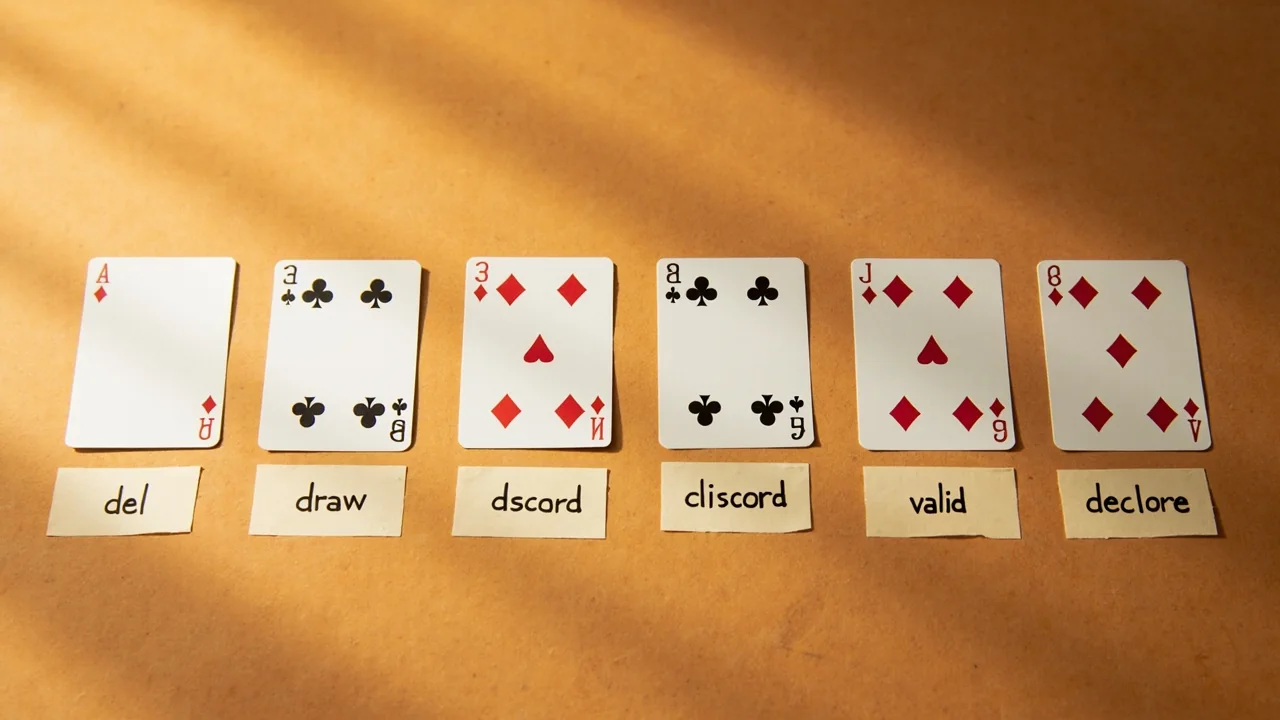
Deals rummy · fixed deals, chips carry over
Deals rummy plays a fixed number of deals (commonly two or three) per table. Chips earned in the first deal carry into the next; the highest chip-holder at the end wins. Drop penalties are paid in chips rather than points. The format suits readers who prefer a planned ending rather than a single-decision outcome.
The 10cric deals lobby is usually smaller than the points lobby because each table occupies more time. Check whether the lobby allows mid-deal drop; if so, the chip cost is the same 25-chip penalty as a points mid-drop. A full-show declaration at the end of a deal pays the value of unmatched cards in chips.

Pool rummy · many players, elimination score
Pool rummy is the format for readers who plan a longer session. The lobby opens a 101 or 201 pool (the number is the elimination score). Each table holds up to six or nine players; anyone who crosses the elimination score leaves the table and the last player standing takes the prize pool.
Variance per hand is lower because the table plays many hands, but the session length is the longest of the three formats. Set a deposit ceiling and a session timer before opening the pool lobby; both are explained in the responsible play chapter.
13-card rummy · the standard hand
Every rummy format on 10cric uses a 13-card hand. Two cards are drawn and discarded each turn; the moment a player arranges all 13 cards into valid groupings and discards the final card face-down, the round ends. The pure sequence requirement applies across formats; joker rules and drop penalties are written on the lobby card.
Reading a 10cric lobby card
The lobby card is the small card that appears in the lobby next to each table. It is the table's contract: joker rule, point value, drop penalties, max players and entry stake. Reading the lobby card before joining prevents three common mistakes: joining a table whose joker rule is unfamiliar, joining a table whose drop penalty is harsher than expected and joining a table whose entry stake is above the deposit ceiling.
Five lines to read first
- FormatPoints, deals or pool. Match it to your session plan.
- Entry stakeSet your deposit ceiling above this number before opening the lobby.
- Drop valuesEarly drop 10, mid-drop 25, full-show declaration value of unmatched cards.
- Joker rulePrinted joker, wild joker, or both. The wild joker substitutes the rank of its printed value.
- Max playersSmaller tables finish faster; larger tables read more discards.
Variant tables and what they mean
The 10cric lobby occasionally publishes variant tables — a 13-card pool during evening hours, a faster-paced deals lobby, or a beginner-friendly points table with capped losses. Variant tables are useful for testing a new strategy before joining the main lobby. They are also where new rule changes are tried first; the dated register on the home page tracks these changes.
Table etiquette that holds across formats
Three habits hold across every rummy format on 10cric. First, sort your hand within the first 30 seconds; the timer does not pause for sorting. Second, track what your opponents take from the open pile; this is the only public information in a round. Third, decide your drop threshold before the round starts and stick to it; the cost of dropping mid-hand is fixed and almost always lower than declaring with high deadwood.
Comparing the four formats at a glance
| Format | Hand length | Variance | Session length |
|---|---|---|---|
| Points | 1 hand | Highest | 5-15 min |
| Deals | 2-3 deals | Moderate | 20-40 min |
| Pool | Many hands | Lowest | 45-90 min |
| 13-card (variant) | By format | By format | By format |
Three lobby-card lines worth memorising
Two readers comparing the same lobby card can disagree on whether to join. The lines that most often decide the answer are the joker rule, the drop-mid value and the entry stake. The joker rule determines how freely a sequence can be completed with a wild card; the drop-mid value is the cost of leaving the table mid-hand; the entry stake is the price of admission and the budget envelope for the session.
Where to start
If you are reading this guide for the first time, start with the how-to-play chapter for a step-by-step walk-through of one hand, then come back to the formats to choose a lobby. The strategy chapter explains how to read discards and time the drop; the verification chapter explains what to prepare before the first withdrawal; the responsible play chapter explains how to set deposit and session limits.
Format comparison table
Choosing a format is the most common first decision. The expanded table below lists session length, hand length, variance and the typical reader who enjoys each format. Use it to match the format to the session you have planned.
| Format | Session length | Variance | Best for | Common pitfall |
|---|---|---|---|---|
| Points | 5-15 minutes | High | Short sessions, new readers | Joining a table whose point value is above your session ceiling |
| Deals | 20-40 minutes | Moderate | Planned endings, mid-length sessions | Misreading chip carry-over as a points score |
| Pool | 45-90 minutes | Lowest | Long planned sessions, multi-hand reads | Setting a deposit ceiling above the table entry stake |
| 13-card variant | By format | By format | Evening play, faster rounds | Treating the variant as a different game |
A first session plan
Three habits hold for a first session. First, open the lobby on a points table with the lowest entry stake; the lobby will list the entry stake on the table card. Second, set a session timer for thirty minutes and stop when the timer fires. Third, deposit only the rupee value of two entry stakes; do not top up mid-session.
These three habits are enough for a first session. The decision-making in subsequent sessions builds on the same habits rather than replacing them.
Frequently asked
Which rummy format has the lowest variance?
Pool rummy has the lowest per-hand variance because the table plays many hands before reaching an elimination score; points rummy has the highest because a single hand decides the round.
Are 10cric tables capped on losses?
Some tables cap the maximum points a player can lose in a single round; the lobby card lists the cap when it applies. Uncapped tables pay the full value of unmatched cards.
What is a 13-card variant?
Any of the formats above can run on 13-card hands; the variant label on the lobby card refers to format-specific rules like joker choice, drop values and entry stake rather than to a different hand size.